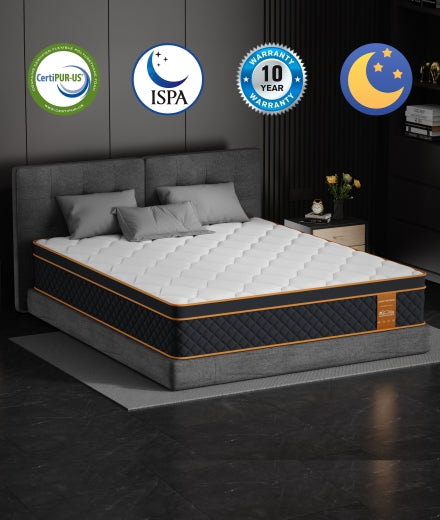
Few things disrupt a good night’s sleep like a mattress sliding on its frame. Getting the recommended sleep on a shifting mattress can feel nearly impossible.
The good news is that a sliding mattress can be resolved with a few simple solutions. Start by identifying the root cause of the problem and then explore effective strategies to prevent the mattress from sliding.
## Causes of Mattress Sliding
Understanding why your mattress is moving is the first step in resolving the issue. Common causes include:
1. **Age**: Over time, mattresses accumulate oils and moisture from our bodies, which can contribute to sliding. If your mattress is over seven years old, it might be time to consider a replacement.
2. **Size**: Ensure the mattress fits the frame properly. If the mattress is too small, it may easily slide into gaps.
3. **Support**: An uneven frame or wide slats can cause misalignment, contributing to movement during sleep.
4. **Lack of Railing**: Bed frames without rails may allow mattresses to drift, especially if you move around a lot while sleeping.
5. **Friction**: Materials with insufficient grip can cause movement. Some types of foam mattresses may slide more readily than others.
## Solutions to Prevent Mattress Sliding
Once you've identified the issue, try these methods to keep your mattress in place:
1. **Rug Pad Grippers**: Using rubber pads designed to prevent rugs from slipping can be equally effective under a mattress. Place these pads between the mattress and its supporting structure.
2. **Non-slip Mattress Pads**: These pads are specifically made for mattresses and come in standard sizes. They help keep the mattress firmly in place and can enhance comfort.
3. **Velcro Tape**: Attaching Velcro strips to the head and foot of the mattress and frame is an easy way to minimize lateral movement.
4. **Vacuum Regularly**: Dust accumulation can create a slick surface and increase sliding. Regular vacuuming helps maintain a clean surface.
5. **Add Railing**: If appropriate, installing rails on your bed frame can prevent the mattress from moving during sleep. Adjustable railings are available if you prefer a non-permanent solution.
6. **Mattress Extenders and Gap Fillers**: For mismatched sizes, consider using extenders or fillers to eliminate gaps that allow movement, providing a temporary fix without needing a new mattress.
## Conclusion
A sliding mattress can disrupt sleep and affect overall well-being. Addressing the root cause is vital, and implementing the strategies listed can lead to a more restful night’s sleep.
If you would like to learn more about mattresses, please contact us. We'd be happy to assist you.
Produced by Dwillar