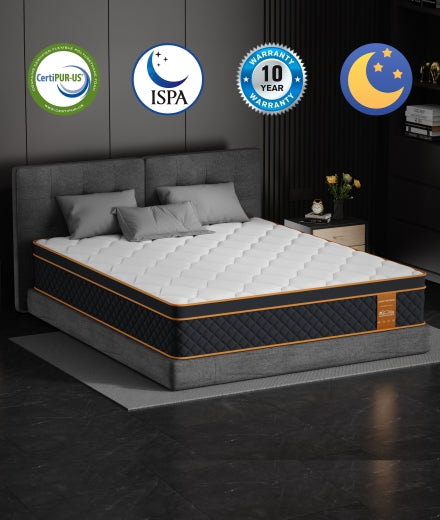
What Thickness of Memory Foam is Best?
Memory foam is recognized for its ability to conform to body shape and provide joint support, alleviating aches and discomfort. Determining the optimal thickness of memory foam can be challenging.
To select the ideal mattress, consider not just the memory foam thickness but also the following factors: mattress layers, support offered, density, and firmness.
Understanding Memory Foam Thickness
Memory foam mattresses vary in thickness from 8 to 14 inches. A standard mattress thickness ranges from 10 to 12 inches, which usually accommodates the average adult sleeper. Thicker mattresses can provide additional support.
Key considerations that can influence your choice of thickness include:
- Body type
- Sleeping arrangements (e.g., sharing the bed)
- Bed height
- Specific back or neck issues
- Preferred sleeping positions
For optimal support, a thicker mattress might be advisable. Researching the specific mattress options is essential to ensure all sleep needs are met.
Mattress Layers
Typically, a memory foam mattress consists of two primary layers: a comfort layer and a base layer.
- Comfort Layer: This upper layer contours to the body to relieve pressure, made from pliable memory foam.
- Base Layer: This foundational layer provides support and prevents sagging, constructed from sturdy materials.
Some mattresses may also include a transitional layer between the comfort and base layers to enhance support.
The ideal thickness of a memory foam mattress topper is influenced by the desired firmness and support, with a greater volume of base layer needed for adequate support compared to the comfort layer.
Support and Comfort
To assess mattress support, review the base layer.
This layer should ideally be at least twice the thickness of the comfort layer. For instance, if the comfort layer is 2-4 inches, ensure the base layer is 4-8 inches. Proper support prevents sagging and prolongs mattress life.

Density Considerations
The mattress density is an important aspect as well.
Density is measured in pounds per cubic foot (PCF), impacting support:
- Low-density: 3 PCF
- Medium-density (often preferred): 3-5 PCF
- High-density: greater than 5 PCF
Low-density mattresses are generally lightweight and less costly, but medium or high-density options provide better support and durability, reducing neck and back issues.
Mattress Firmness
In addition to density, the firmness of a mattress is determined by its Indentation Load Deflection (ILD) rating, which indicates how much pressure is required to compress the mattress surface by four inches.
- Soft: ILD of 1-4, suitable for side sleepers or light individuals
- Medium: ILD of 5-7, appropriate for back sleepers or those with back pain
- Firm: ILD of 8-10, ideal for heavier individuals and back or stomach sleepers
Selecting the right firmness according to sleeping habits is crucial for a restful night.
Purchase now and enjoy a comfortable sleep. If you need any inquiries, please contact us; we are happy to assist you.
Produced by Dwillar