Futon vs. Mattress: Which Is Better?
Table of Contents
- What Are the Differences Between a Futon and a Mattress?
- Futon vs. Mattress: Which Should You Choose?
What Are the Differences Between a Futon and a Mattress?
What Is a Futon?
Futons originated in Japan, where they have traditionally been a common sleeping method for centuries. Laid out on the floor rather than on a bed frame, traditional futons are thin enough to be easily rolled up and stored. Their flexibility allows them to convert bedrooms into multi-purpose spaces.
Western variations of futons tend to include:
- Increased thickness, often filled with materials like memory foam instead of organic cotton.
- Positioned on frames for additional support.
- Capable of converting from a regular bed to a sitting area.
What Is a Mattress?
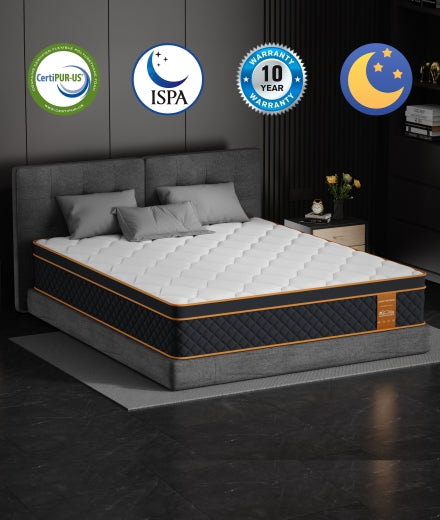
While futons can provide a comfortable sleeping experience, they differ significantly from standard mattresses. Common types of mattresses include latex, innerspring, memory foam, and hybrid options. Key distinguishing features of mattresses include:
- Generally thicker construction, comprising multiple layers of materials designed for specific support needs.
- Inability to be folded due to their size and structure.
- A wider variety of options to accommodate different sleep preferences and needs.
Futon vs. Mattress: Which Should You Choose?
The comparison between futons and mattresses can be viewed through various aspects:
Comfort and Support
Different sleep positions require various types of support. Futons tend to be thinner and firmer, but this does not always equate to optimal support. Mattresses can be designed to cater to specific needs, such as back pain relief. For side sleepers, a thicker futon might suffice, but a mattress is generally preferable for comfort.
Space and Usage
Futons have the advantage when it comes to space-saving functionality. They can transform into couches, allowing for more walking space and a designated seating area. In comparison, mattresses are primarily intended for sleeping, and although they can be used for sitting, they lack the ergonomic support for prolonged seating.
Longevity and Price
Both futons and mattresses are investments, with longevity dependent on quality and usage:
- Mattresses typically last around 7 to 10 years.
- Futons can last anywhere from 2 to 20 years.
In terms of cost, mattresses tend to be more expensive due to their complexity and extensive manufacturing processes:
- Mattresses may start as low as $250 and can exceed $3,000.
- Futons can range from below $200 to above $1,000, based on quality.
Preference
Personal preference also plays a significant role in the decision-making process. Mattress options vary widely in terms of materials and designs for bed frames, catering to individual styles. On the other hand, futons offer a unique blend of versatility in living spaces, serving both functional and aesthetic purposes.

Conclusion
In choosing between a futon and a mattress, consider various factors such as comfort, support, space availability, longevity, financial budget, and personal preference. The most crucial aspect is understanding how each choice may impact your sleep quality.
Produced by Dwillar