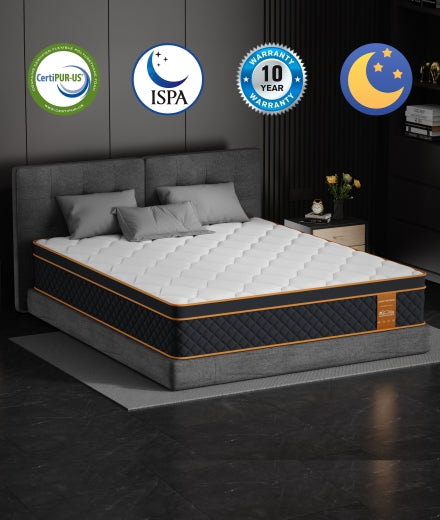
What's the Best Mattress for Restless Leg Syndrome?
Navigating sleep challenges can be difficult, especially when dealing with Restless Leg Syndrome (RLS), which disrupts sleep and overall well-being. The right mattress can address the unique challenges of RLS. This guide explores what RLS is, its impact on sleep, and what to consider when selecting a mattress for relief.
What is Restless Leg Syndrome?
Restless Leg Syndrome (RLS) is characterized by an uncontrollable urge to move the legs due to uncomfortable sensations that typically occur in the evening or at night while sitting or lying down. This condition can lead to restless sleep, frequent wake-ups, and poor sleep quality.
Symptoms of Restless Leg Syndrome
The primary symptom is a compulsion to move the legs, often accompanied by sensations such as:
- Itching
- Crawling
- Pulling
- Throbbing
- Aching
- Electric shocks
These symptoms can disrupt daily activities and lead to issues like sleep apnea.
Impact on Sleep Quality
RLS can interfere significantly with sleep, leading to chronic sleep deprivation and affecting overall health.
The Role of the Right Mattress
Selecting the best mattress for RLS is crucial. Features to consider include:
-
Pressure Relief: Mattresses that provide pressure relief can alleviate discomfort associated with RLS.
-
Material Composition:
- Memory Foam: Conforms to the body for even weight distribution.
- Latex: Offers responsive support and cushioning.
- Innerspring: Provides support, though may lack the pressure relief of foam.
- Hybrid: Combines innerspring and foam for both support and comfort.
-
Firmness Level:
- Soft for side sleepers.
- Medium for back sleepers.
- Firm for stomach sleepers.
-
Adjustability: Adjustable bed frames can alleviate symptoms by allowing elevation of the legs or changing sleep positions.
-
Pressure Point Relief: A mattress that ensures even weight distribution is essential.
-
Breathability: Good airflow is critical to prevent overheating during sleep.
Tips for Sleeping with RLS
- Establish a Sleep Routine: Consistency enhances sleep quality.
-
Optimize Your Sleep Environment:
- Maintain a cooler temperature.
- Ensure darkness and quietness.
- Mind Your Diet: Avoid caffeine and alcohol close to bedtime, and stay hydrated.
- Exercise Regularly: Moderate exercise can reduce RLS symptoms but avoid late-day workouts.
- Practice Relaxation Techniques: Deep breathing and meditation can help relax the body.
- Consider Sleep Position: Side sleeping with a pillow between the knees may provide relief.
- Use a Weighted Blanket: This can offer a sense of calm and reduce leg movements.
- Consult a Doctor: Seek guidance if symptoms persist.
- Limit Screen Time Before Bed: Reducing exposure to blue light can improve sleep quality.
- Keep a Sleep Diary: Documenting habits can help identify triggers.
The journey to finding relief from RLS may involve exploring different mattress types and sleep strategies. Prioritizing comfort features can lead to better sleep quality and overall well-being.
Purchase now and enjoy a comfortable sleep. If you need any inquiries, please contact us; we are happy to assist you.
Power by Dwillar